The answer arrives before the click
A few years ago you got ten blue links and did the clicking yourself. Today a finished paragraph often comes first: an AI Overview in Google, an answer in ChatGPT, Gemini or Perplexity. Below it or next to it sit a few sources. If you are named there, you are part of the answer. If not, you often drop out entirely.
Generative engine optimisation, or GEO, covers everything a brand does to be described correctly in these AI answers and cited as a source. The term is young, the practice is still moving, and nobody can guarantee a mention. The mechanics can be explained, though, and much of it is solid craft that helps classic SEO too.
SEO and GEO: what stays and what shifts
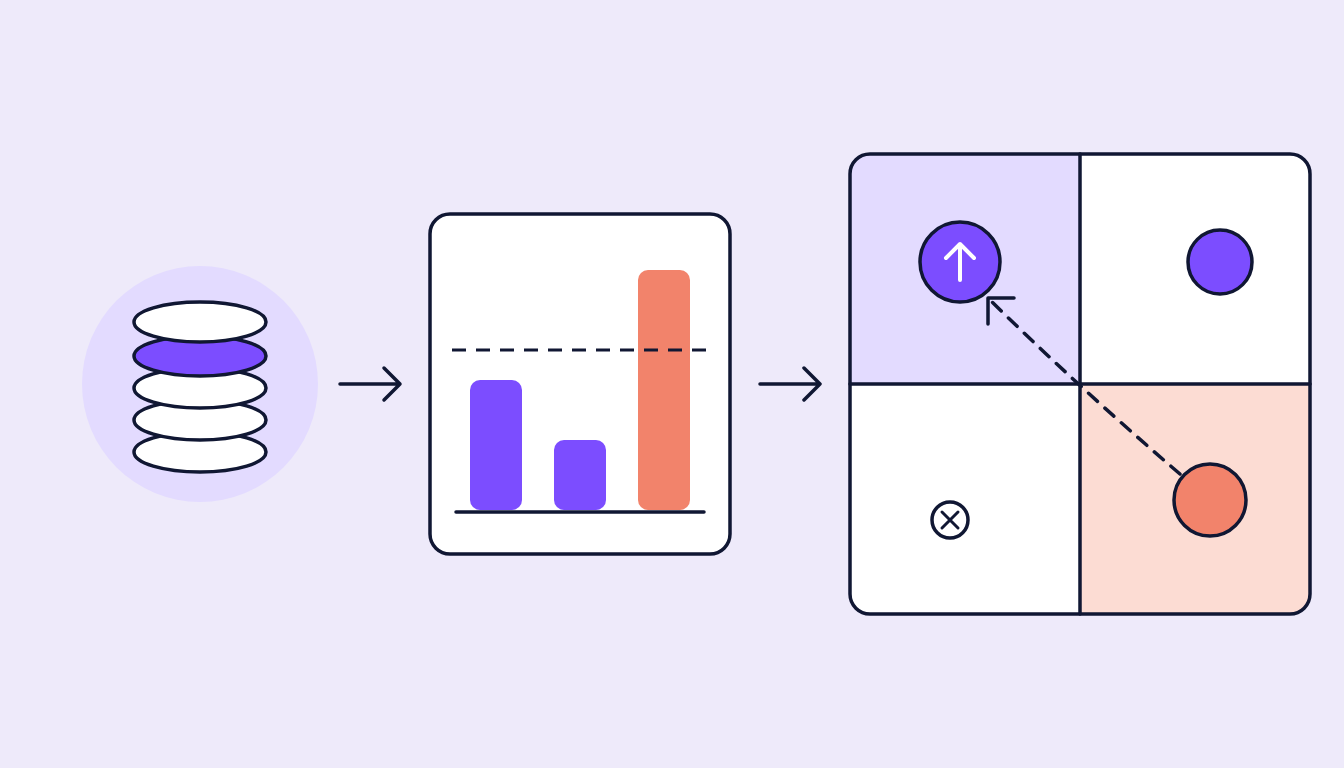
Classic SEO optimises for a position in a results list. Success shows up as rankings, impressions and clicks. With GEO the unit is different: it is not the whole page that ranks, but individual statements that get pulled out, summarised and backed by a source.
| Classic SEO | GEO | |
|---|---|---|
| Goal | position in the results list | mention and citation in the answer |
| Unit | the page | the single, verifiable statement |
| Success visible as | ranking, clicks | mention, source link, correct description |
| Main lever | relevance and authority of the page | clarity, unambiguity, verifiability |
The foundations stay the same: a page that is not crawled and indexed cannot be cited, and good content and links from other sites still count. What is new is the focus on whether a paragraph can be lifted out of context and still be understood correctly.
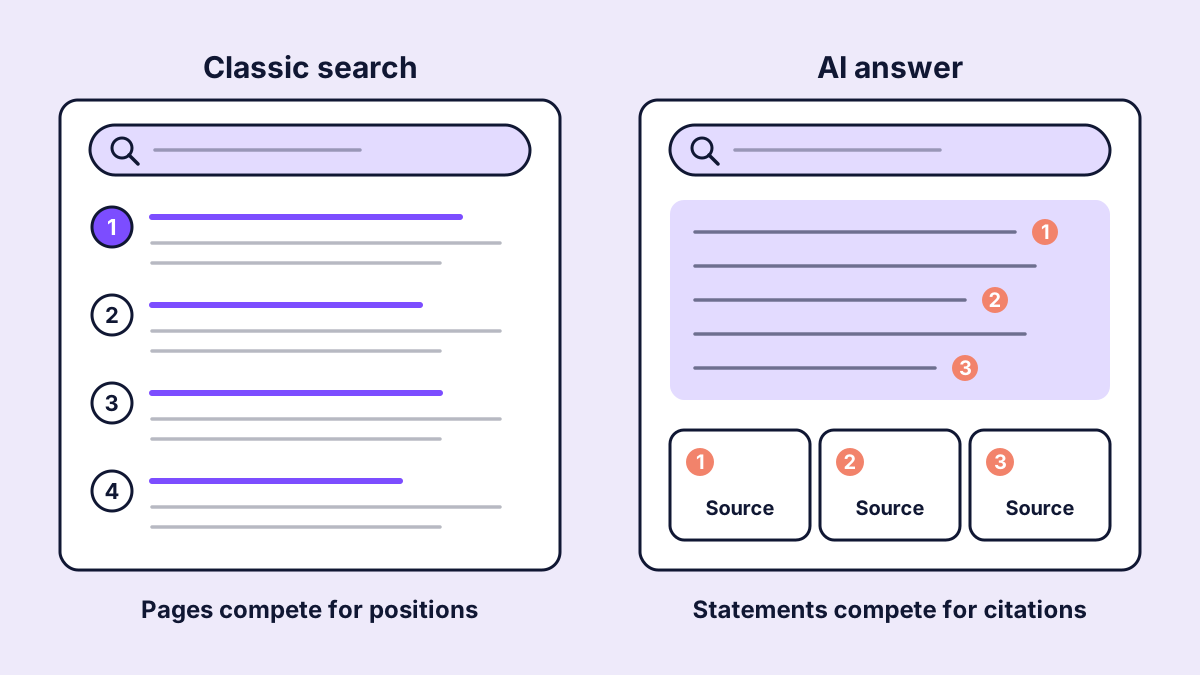
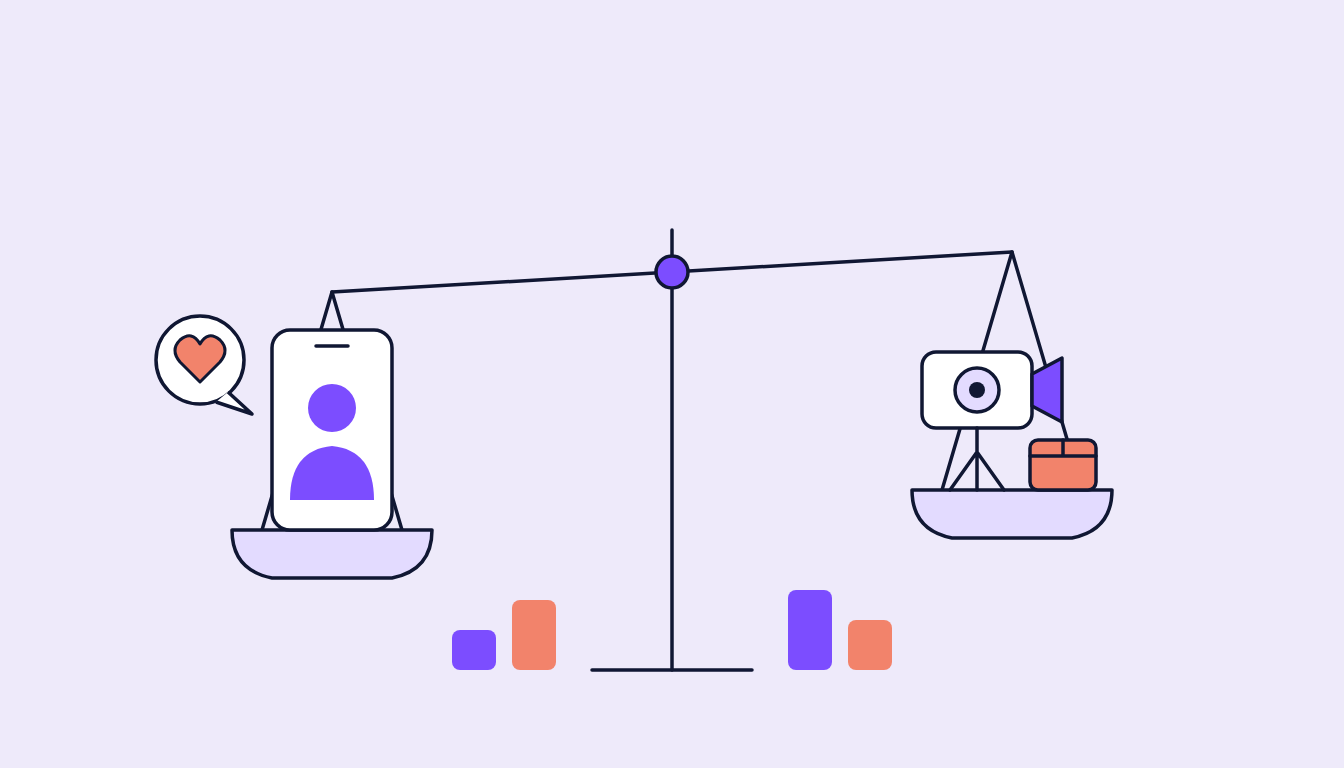
Figure 1: On the left, pages compete for positions. On the right, statements compete for a place as a source.
How an AI answer finds its sources
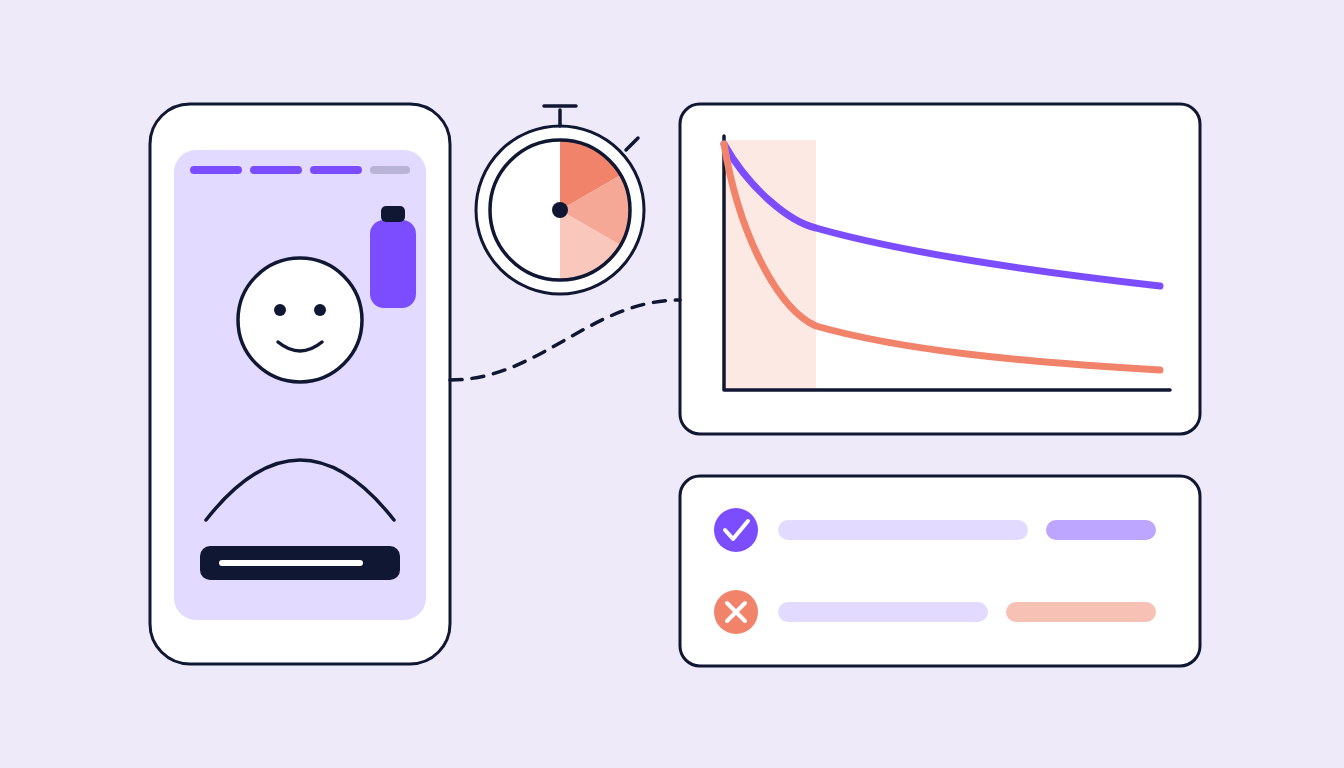
The systems differ and the details are not public. Simplified, answers with sources usually work like this: a search runs in the background, in the system's own index or through a search engine. Relevant passages are pulled from the pages it finds. The language model writes the answer from them and points to the pages the statements came from.
That leads to three conditions:
- The page has to be reachable. A crawler blocked in robots.txt cannot read the page for its service.
- The content has to be in the HTML. Many crawlers do not execute JavaScript, or only to a limited extent. A page that builds its text in the browser looks empty.
- The statement has to be unambiguous. The model needs to recognise who is being talked about and what exactly is being claimed.
Then there is what a model learned in training. A brand has little short-term influence on that; in the long run, consistent descriptions across many sources count here too.
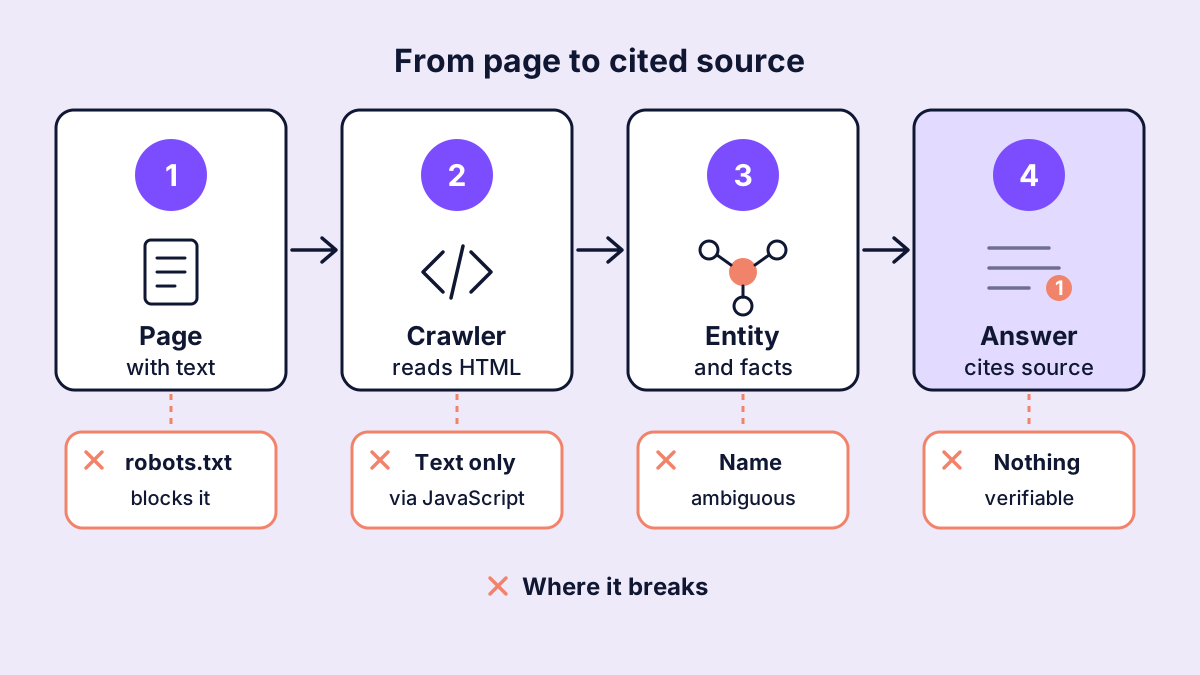
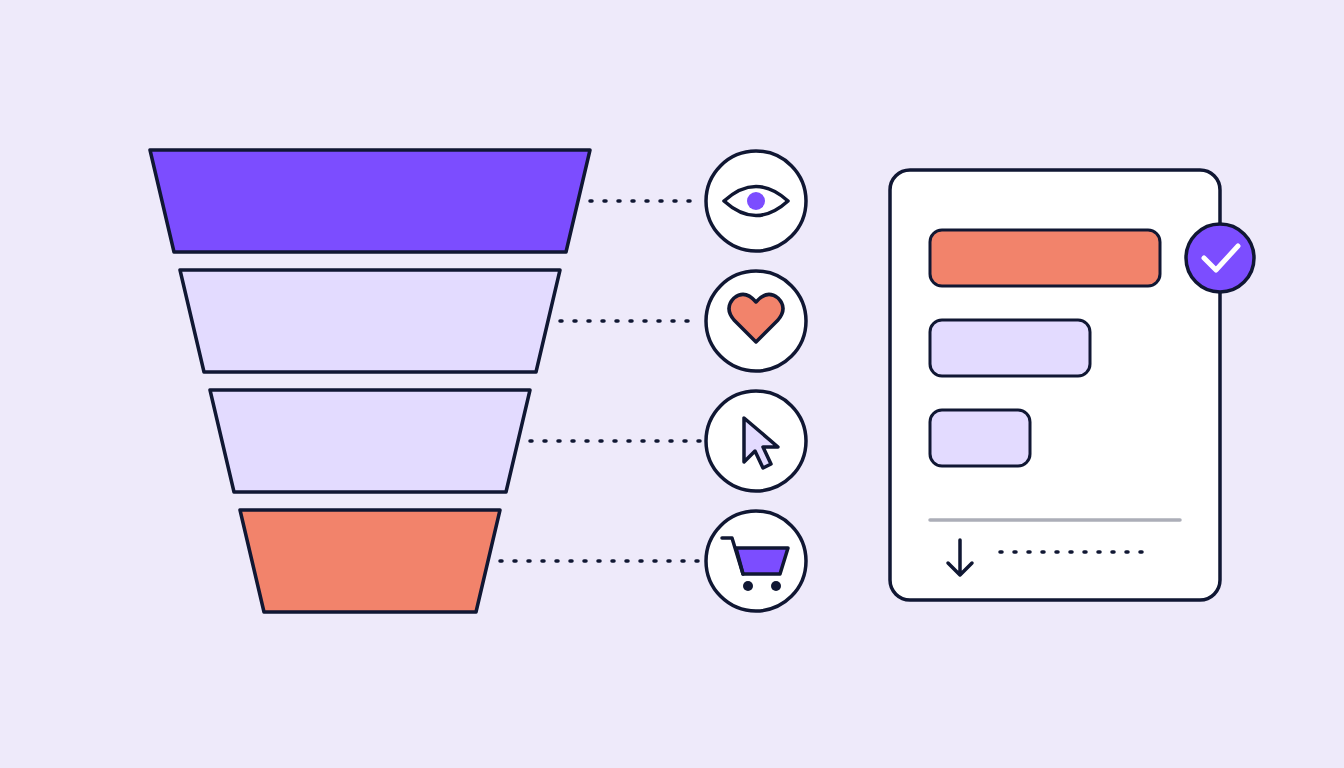
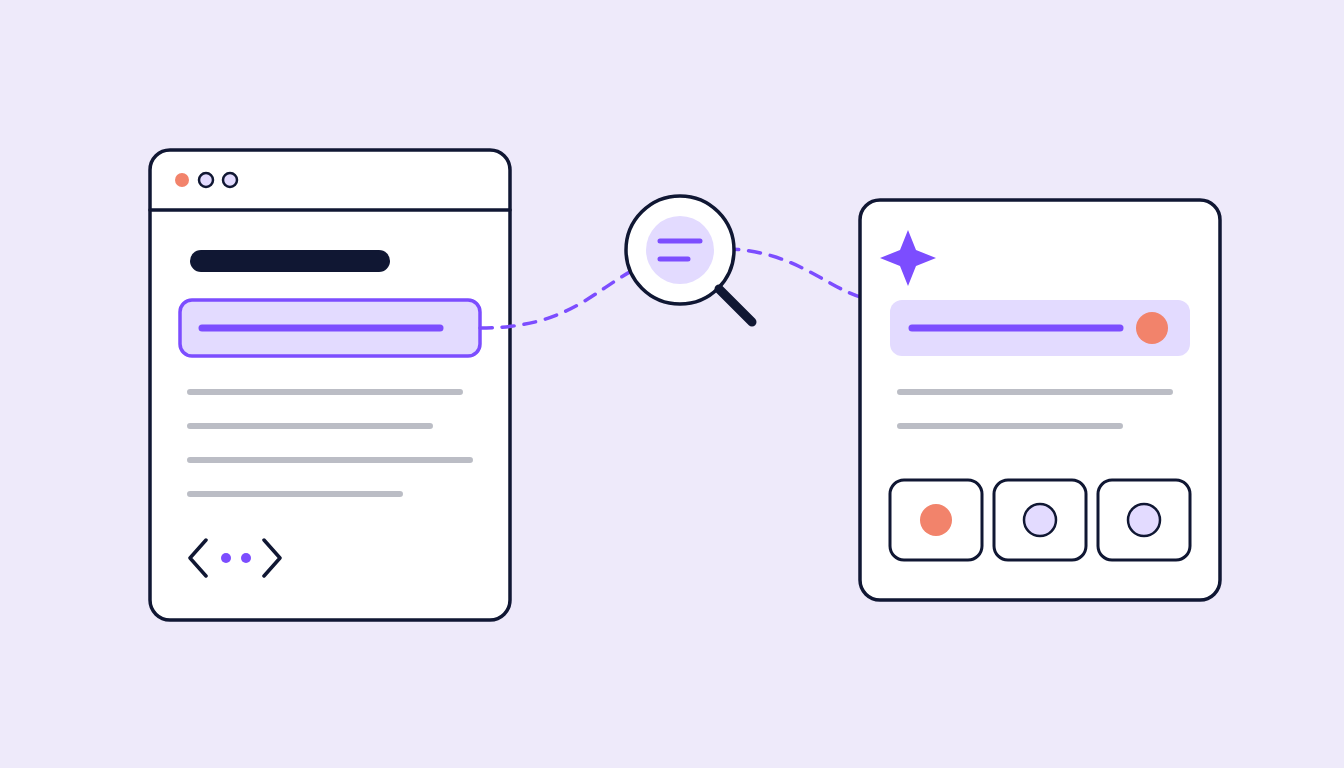
Figure 2: If one stage breaks, the page never makes it into the answer.
What makes content citable
The definition comes first
The first paragraph under a heading should answer the question directly. "X is a ... for ... that ..." is not an elegant opening, but it is extremely citable. Context and story come afterwards. Headings can sound like the questions people actually ask.
One entity, one name
To a language model, a brand is an entity: a name with a category, an origin and relationships. If the website says "platform", LinkedIn says "tool", the pitch deck says "dashboard" and the name is spelled three different ways, the picture gets blurry. What helps: one spelling, a one-sentence category, a clear link to the company behind it.
Structured data
Schema.org markup as JSON-LD states in machine-readable form what a page describes: an Organization, a SoftwareApplication, an Article, a FAQPage. It is not a guarantee of citations. Google limited FAQ rich results to well-known government and health sites in 2023 and dropped them entirely in May 2026. But the markup makes relationships explicit, for example who makes a product and which profiles belong to the same brand (via sameAs).
Original data and specific numbers
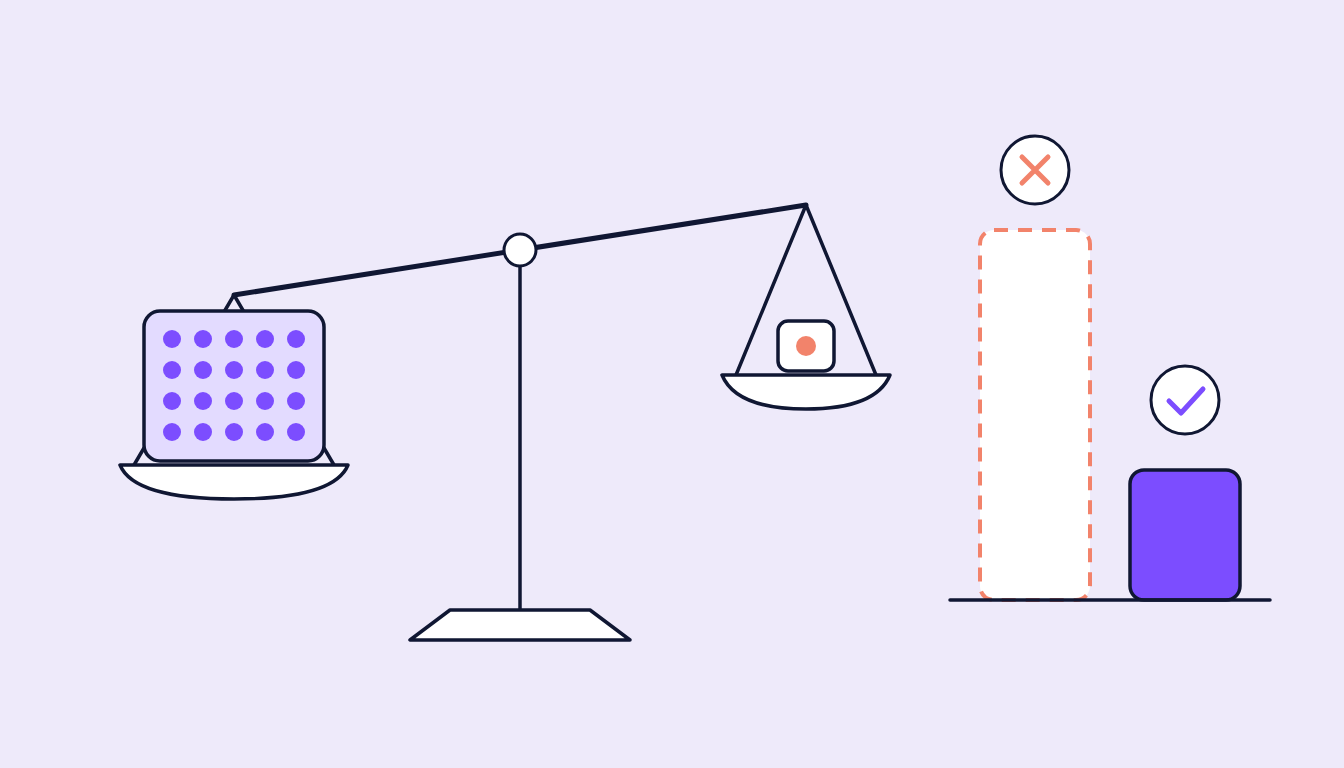
An answer needs evidence. Pages that contribute something of their own have a reason to be cited: a definition, a method, a worked example, a date, a price. "Strong performance" cannot be cited. "Live since March 2026" can. The numbers have to be right, though: invented statistics get noticed once an answer repeats them.
Consistency across the web
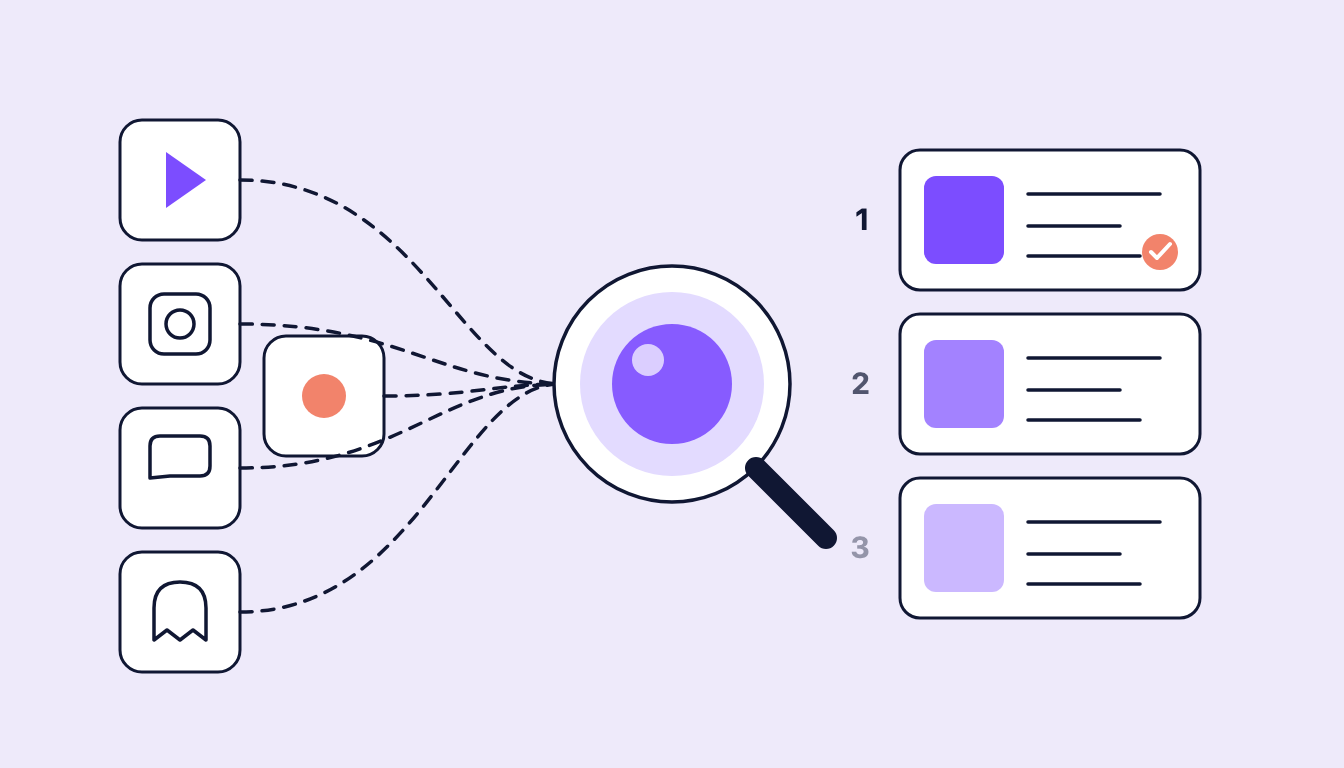
Your website is just one source. AI answers also draw on what profiles, directories and press say about a brand. The more often the same core facts appear in independent places, the clearer the picture.
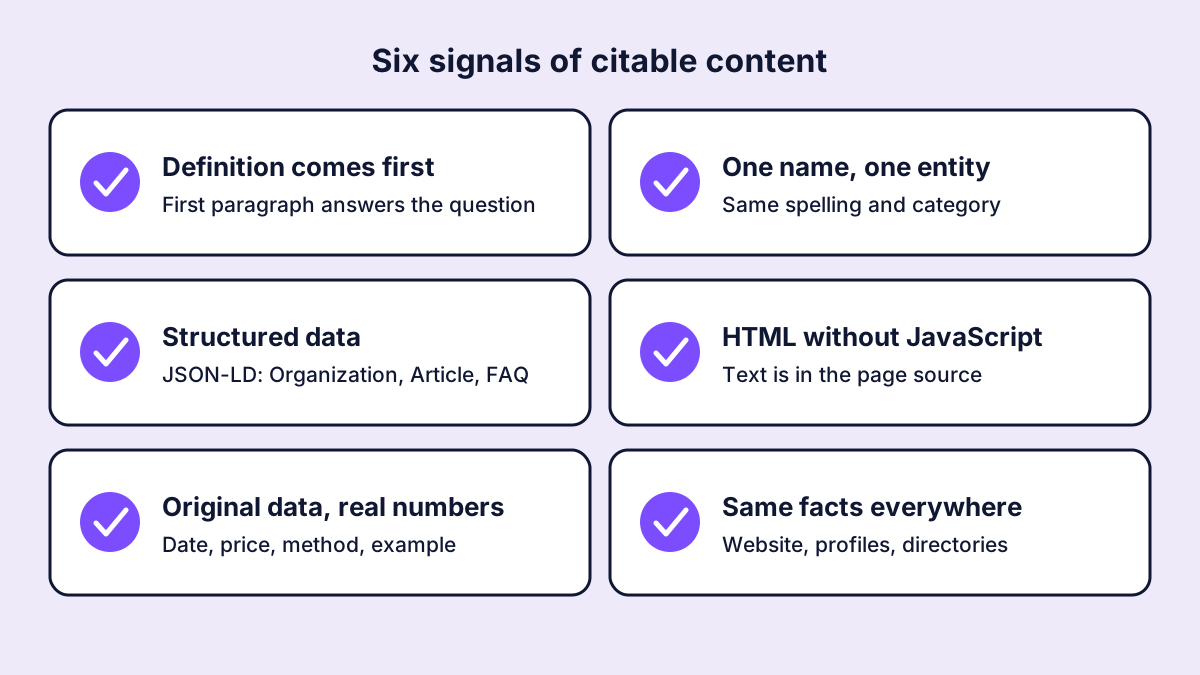
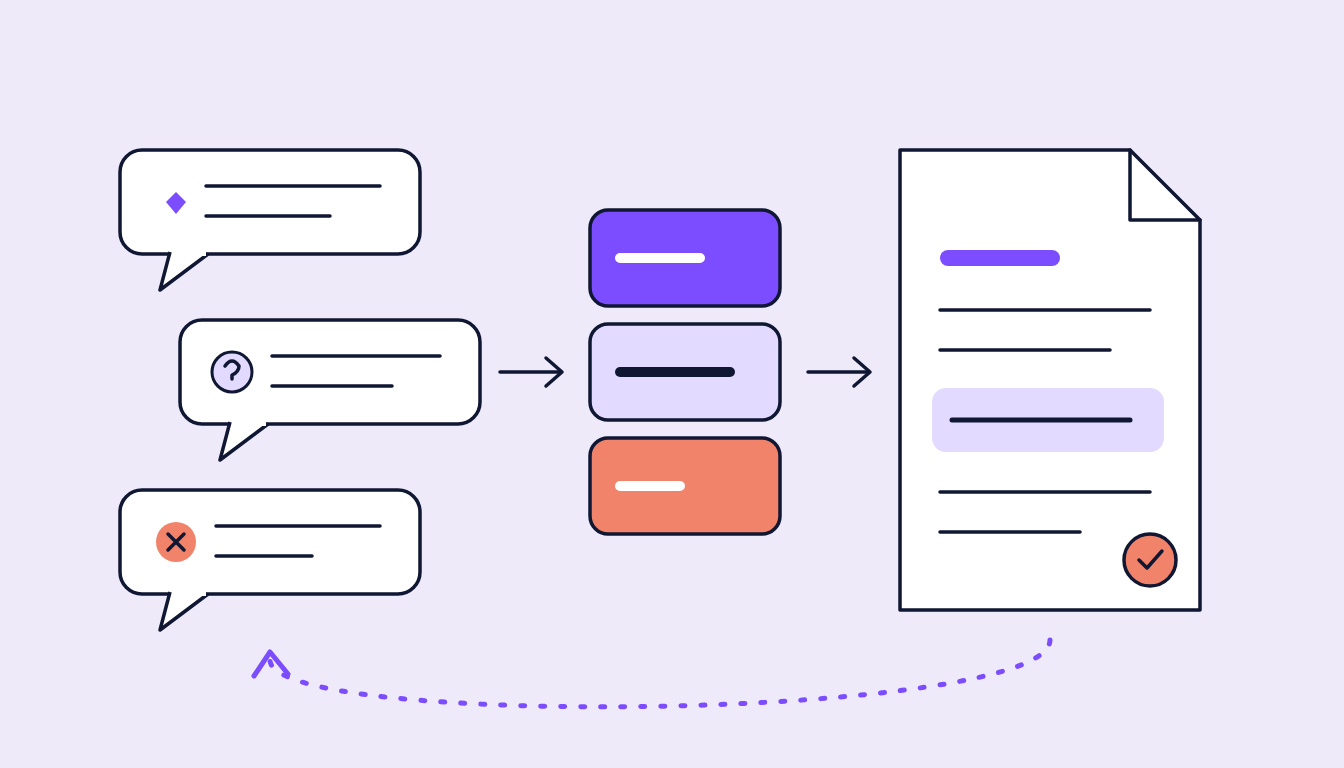
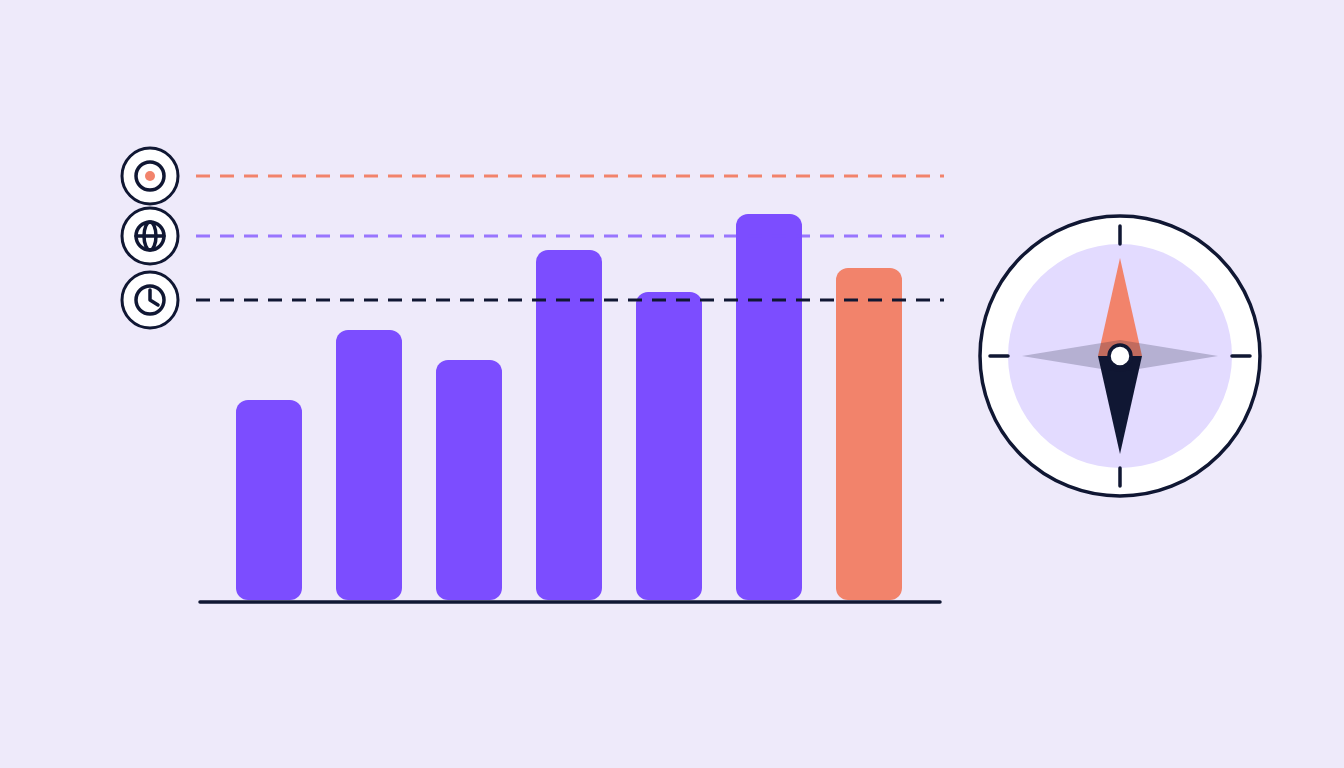
Figure 3: Six signals you can check before talking about reach.
What a social and creative agency can contribute
GEO sounds like a tech job, but much of it is content and language, which is where agencies sit:
- Sharpen the messaging: settle on one category and one definition that read the same in the bio, on the website, in the press text and in the creator brief.
- Look after profiles: social profiles are sources. Name, description and link should describe the same entity everywhere.
- Content with substance: guides, glossaries and analyses that actually answer a question.
- Collect questions: community management sees daily what people ask about a brand. Those questions make good headings.
- Measure honestly: ask the most important questions in several AI systems on a regular basis and record what gets named. A trend says more than a one-off test.
How we approached it for sugarLENS
Our trigger was practical: when you searched for "sugarlens", an AI overview first described a different product with a similar name. So we started with our own website. The home page, the about page and every article under /resources are prerendered as finished HTML at build time, so crawlers see the text without running JavaScript. The main heading on the home page is a definition: "Social media and creative analytics platform by JUSTADDSUGAR." On top of that come JSON-LD for SoftwareApplication and Organization, Article and breadcrumb markup for every article, FAQPage wherever a piece has an FAQ section, clean language links between German and English, a sitemap and an llms.txt with the core facts (a proposed convention; whether the big systems use it is an open question).
The second part sits outside our website: listings and pages that confirm sugarLENS independently, which we are still working on. Whether and when AI answers change is up to the systems, and it can take weeks. We measure it rather than promise it.
FAQ
Is GEO different from SEO?
GEO builds on SEO, with crawling, indexing and good content as prerequisites. The difference is the goal: not just ranking well, but showing up as a clear, verifiable source in a generated answer.
Can you guarantee a mention in ChatGPT or AI Overviews?
No. The systems choose their sources themselves and change their behaviour constantly. You can only improve the conditions and watch.
Is FAQ schema still worth it?
As a rich result in Google, no: Google dropped them in May 2026. As a clear, machine-readable question-and-answer structure it still makes sense, as long as the questions are also visible on the page.
Is a single-page app with JavaScript enough?
For Google often yes, since it renders JavaScript, if with a delay. For many other crawlers not reliably. Prerendered HTML is the safe option.