The cheapest market research sits under your own ad
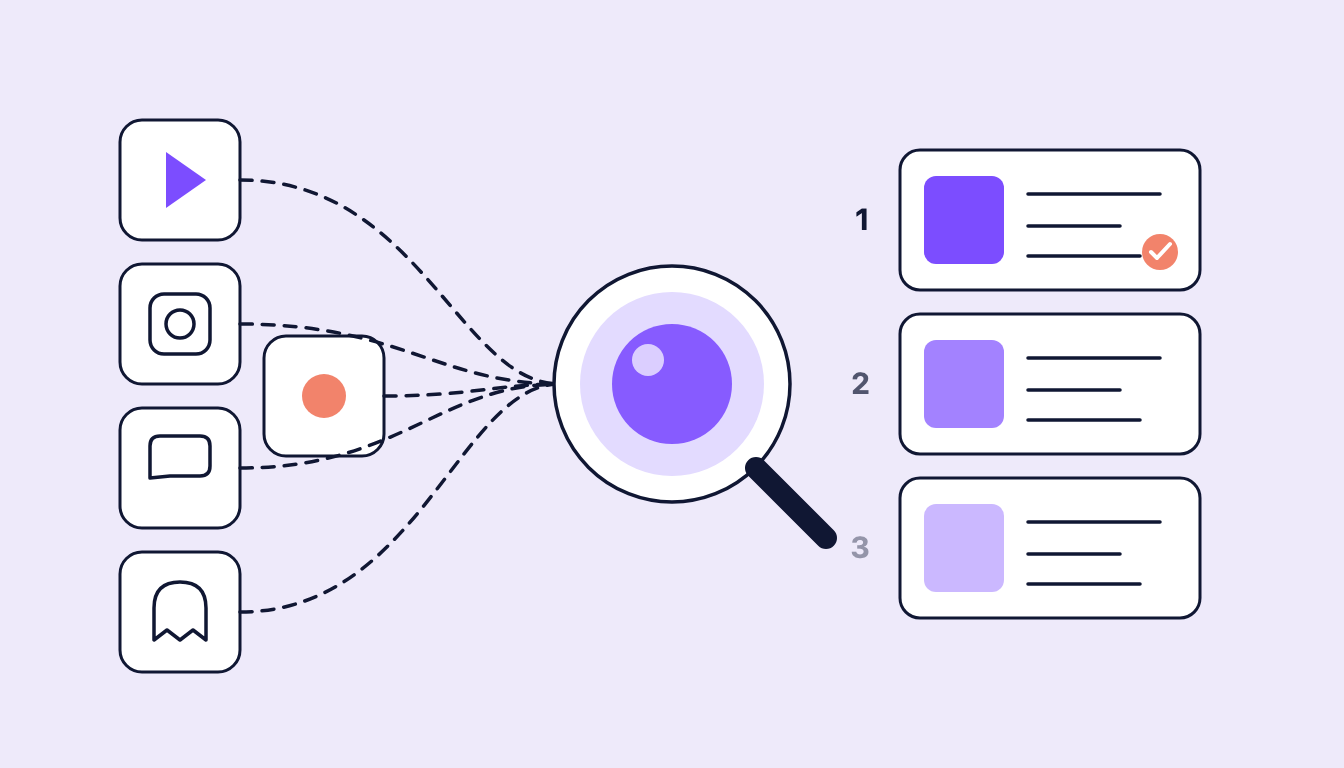
A focus group costs money and time. Ad comments come free. People write, unprompted, what they like about a product, what they don't understand, what annoys them and whether they want to buy. Right under the creative that triggered it.
Even so, comments are often just answered, moderated and ticked off. That is half the job. The other half: turning hundreds of voices into patterns and carrying them into the next brief.
This piece covers how to sort comments, why a sentiment score is not enough, and how a question that shows up twenty times becomes a line in the brief.
Five drawers for every comment
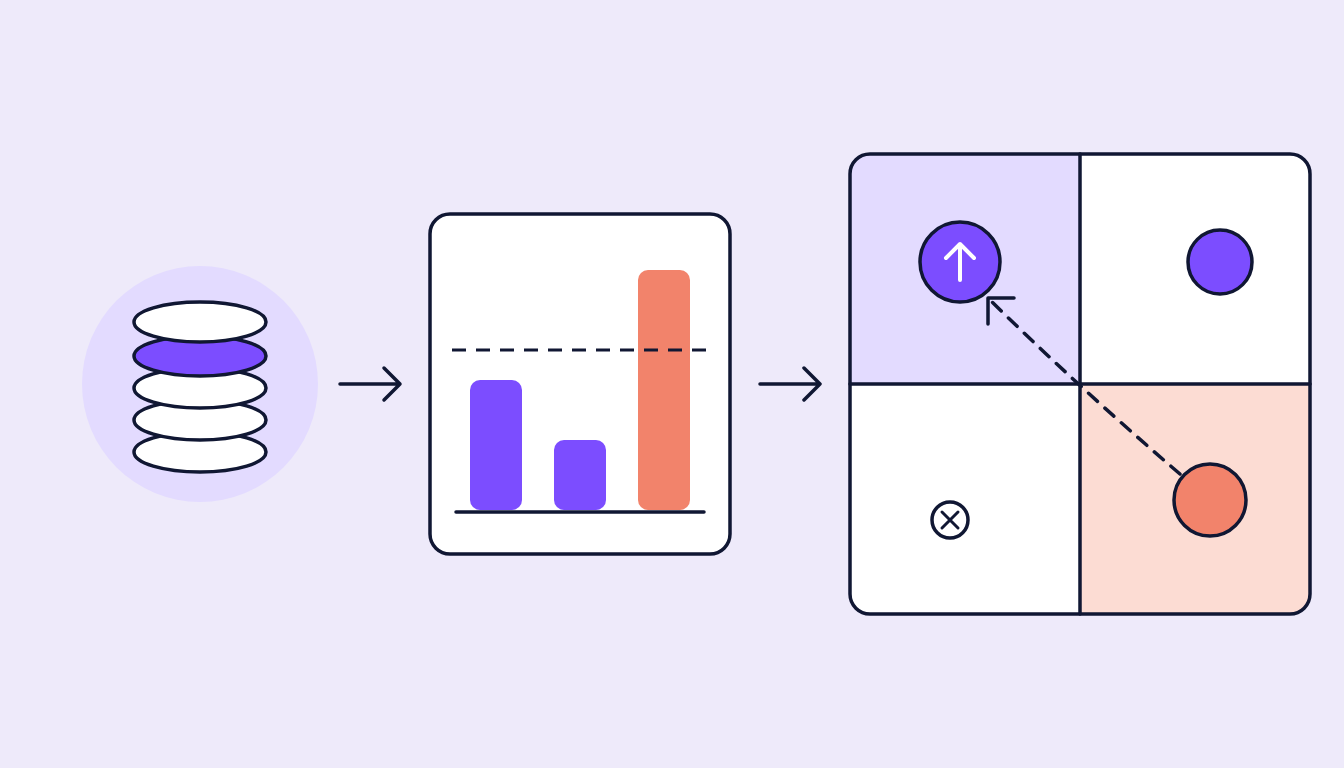
A comment becomes useful once it is assigned to a category. We work with five drawers:
- Sentiment: positive, neutral or negative. The rough mood.
- Theme: What is it about? Price, size, delivery, taste, the creator, the music, the brand itself.
- Questions: Anything starting with "Is there ...", "How long ..." or "Where can I get ...". Every question is a piece of information the creative did not deliver.
- Objections: "Too expensive", "Won't last anyway", "Ads again". Reasons not to buy.
- Purchase intent: "Need this", "Ordered", tagging friends with "This is so you".
A comment can sit in several drawers. "Looks great, but does it come in XL?" is positive, concerns the theme of size and is a question.
Filter out spam, giveaway bots and bare tags first. They distort every count.
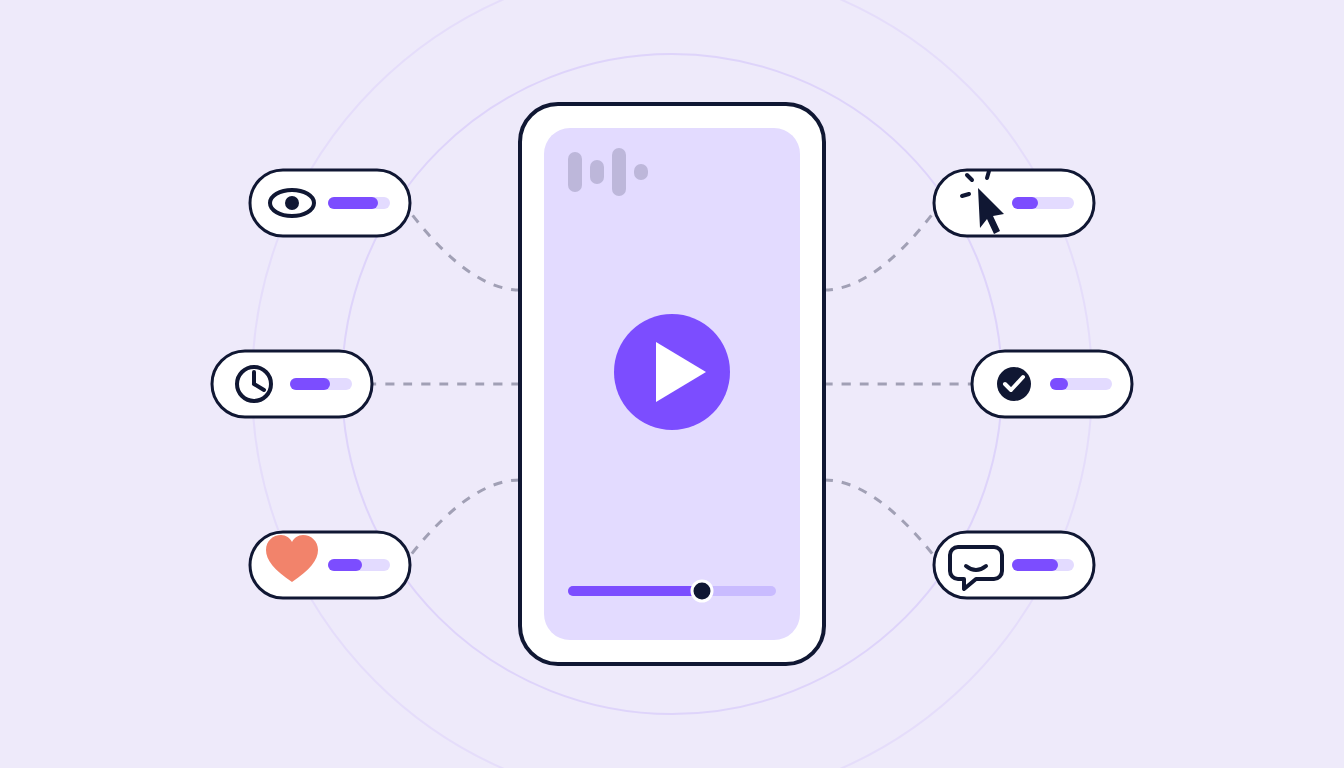
Sentiment needs reading, not just counting
Many tools compress the mood into a single number. A common version is a net score:
(positive comments - negative comments) / all comments * 100
A worked example: a creative has 140 comments, 50 positive, 40 negative and 50 neutral. The score comes out at around 7. What the number does not show: whether the 40 negative comments all share one reason, say the price, or whether they are spread across ten themes. One is a job to do, the other is noise.
Three traps catch any automatic classification:
- Irony and sarcasm: "Oh great, exactly what I needed 🙄" reads positive word by word. It isn't meant that way.
- Language and slang: dialect, youth slang, mixes of German and English. "Sick" can be praise, "lowkey pricey" is an objection.
- Emojis: a 😂 under a product video can mean delight or mockery. Context decides.
So the rule is: the score is the starting point, not the result. Anyone judging a creative should read a sample of the negative and neutral comments themselves.
Comments that are insulting, hateful or sensitive for the brand deserve a category of their own. They belong in a human review loop, not in the average.
From the comment back to the creative
The biggest mistake in social listening: one pot for all of a brand's comments. You learn that "price" is the top theme, but not which creative started the debate.
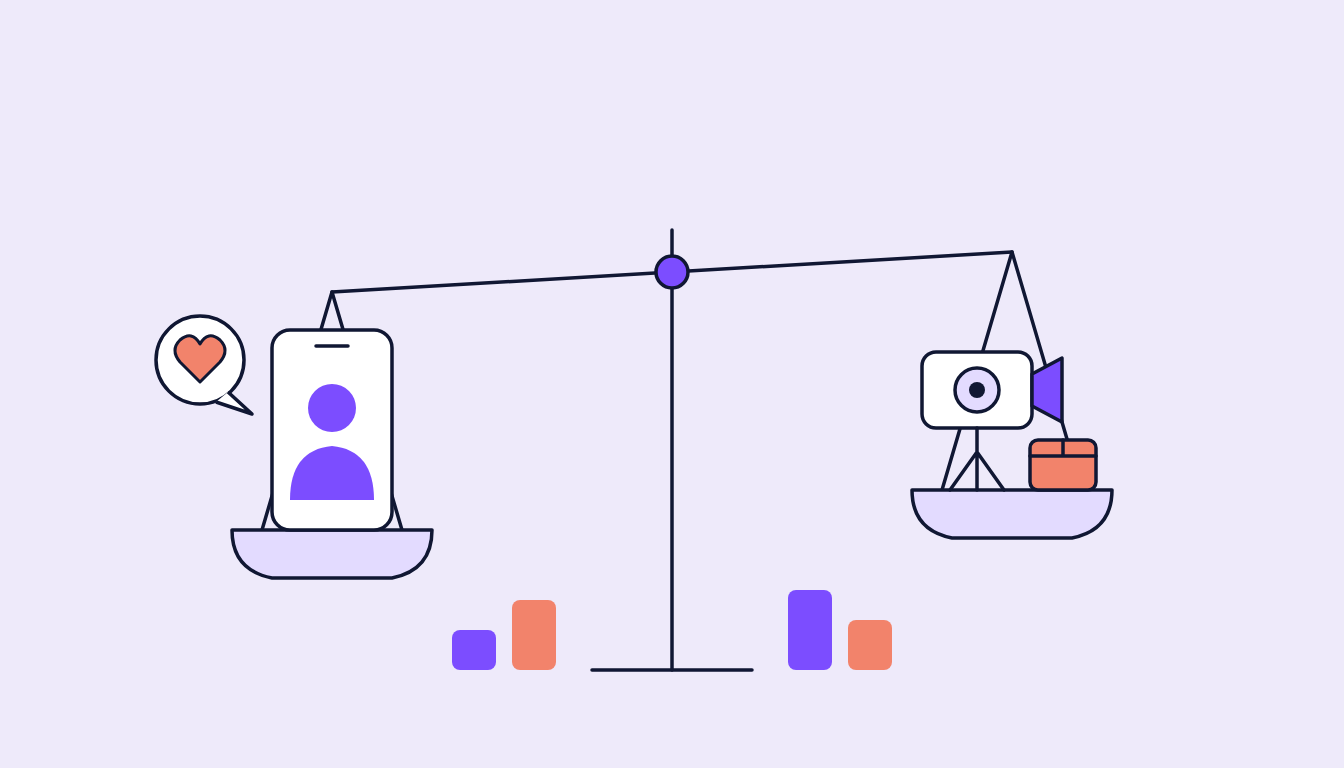
Comments under ads are attached to a specific ad. That link is gold. Suppose a campaign runs three creatives and collects 400 comments between them:
- Creative A, product demo: 160 comments, many questions about sizes and colours, few objections.
- Creative B, creator video: 140 comments, over a quarter of them price objections.
- Creative C, mood film: 100 comments, nearly half of them emojis and tags with no content.
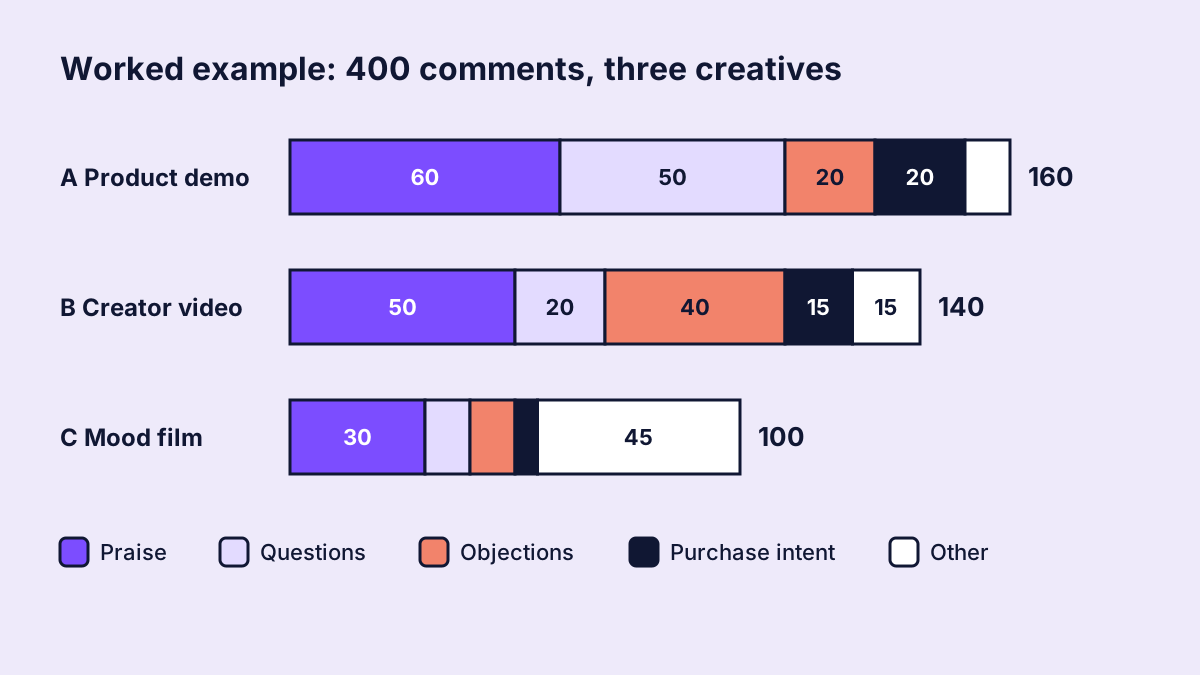
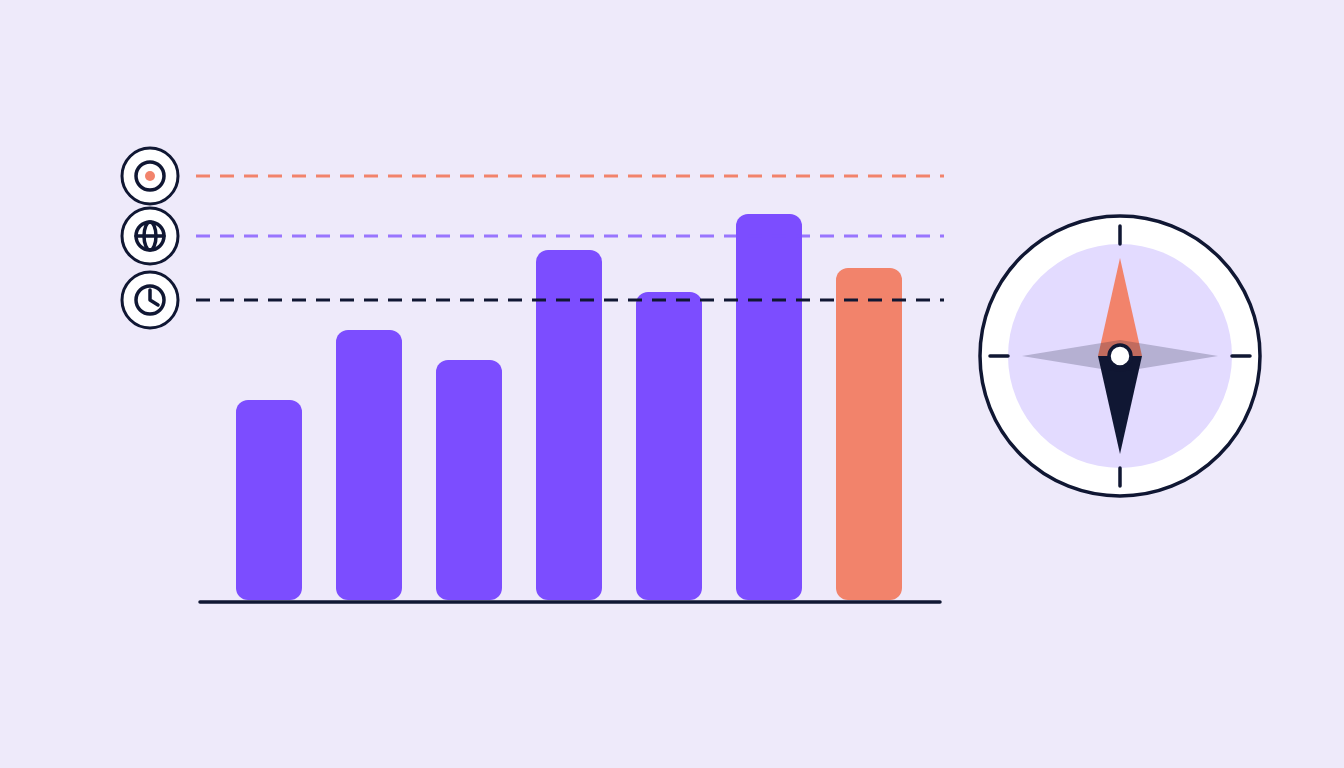
Figure 1: Worked example. Same campaign, three creatives, three very different conversations.
That leads to three different conclusions. A sparks interest but doesn't answer the practical questions. B reaches people for whom price is the hurdle. C creates visibility but hardly any conversation. None of this is in Ads Manager, but next to CTR, watch time and CPC it becomes much clearer why an asset performs the way it does.
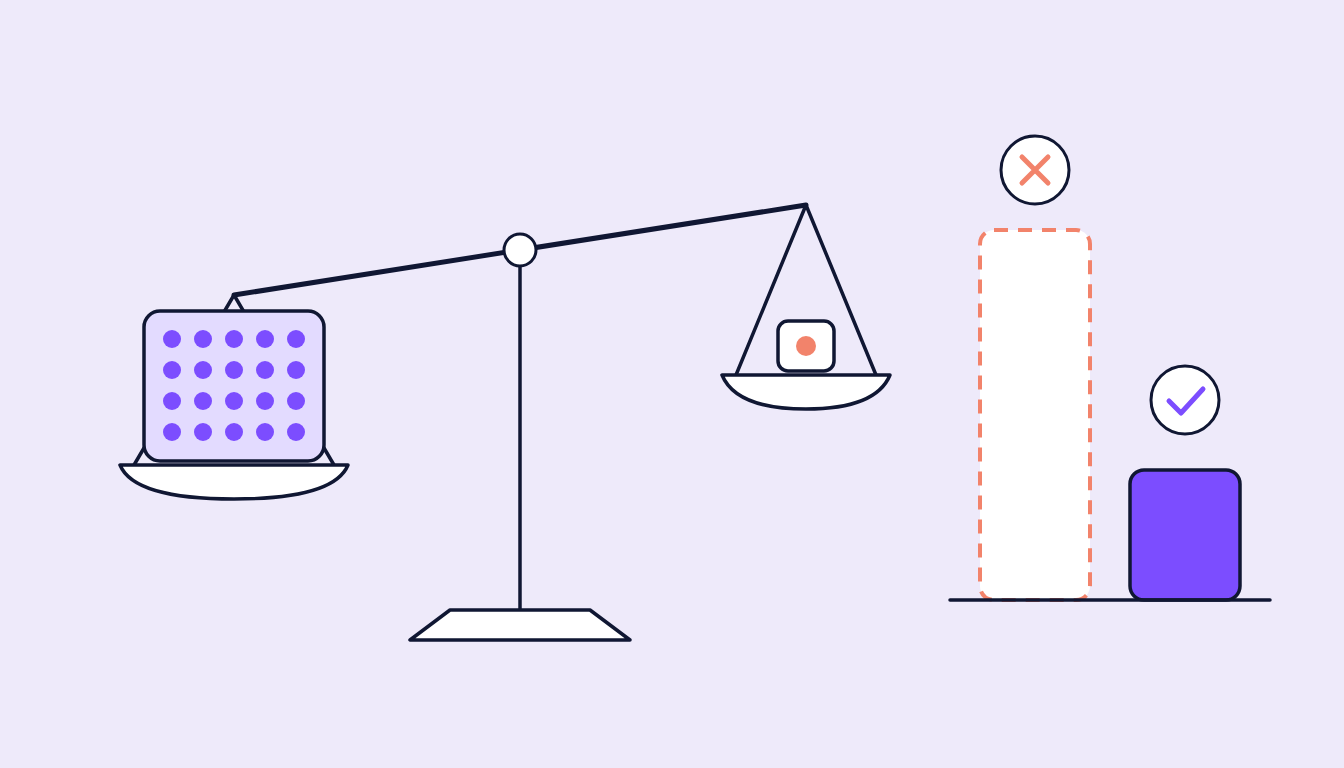
One caveat: comments are not a representative sample. Mostly people with strong feelings write. They show which themes a creative triggers, not what the whole audience thinks.
Turning questions and objections into the next brief
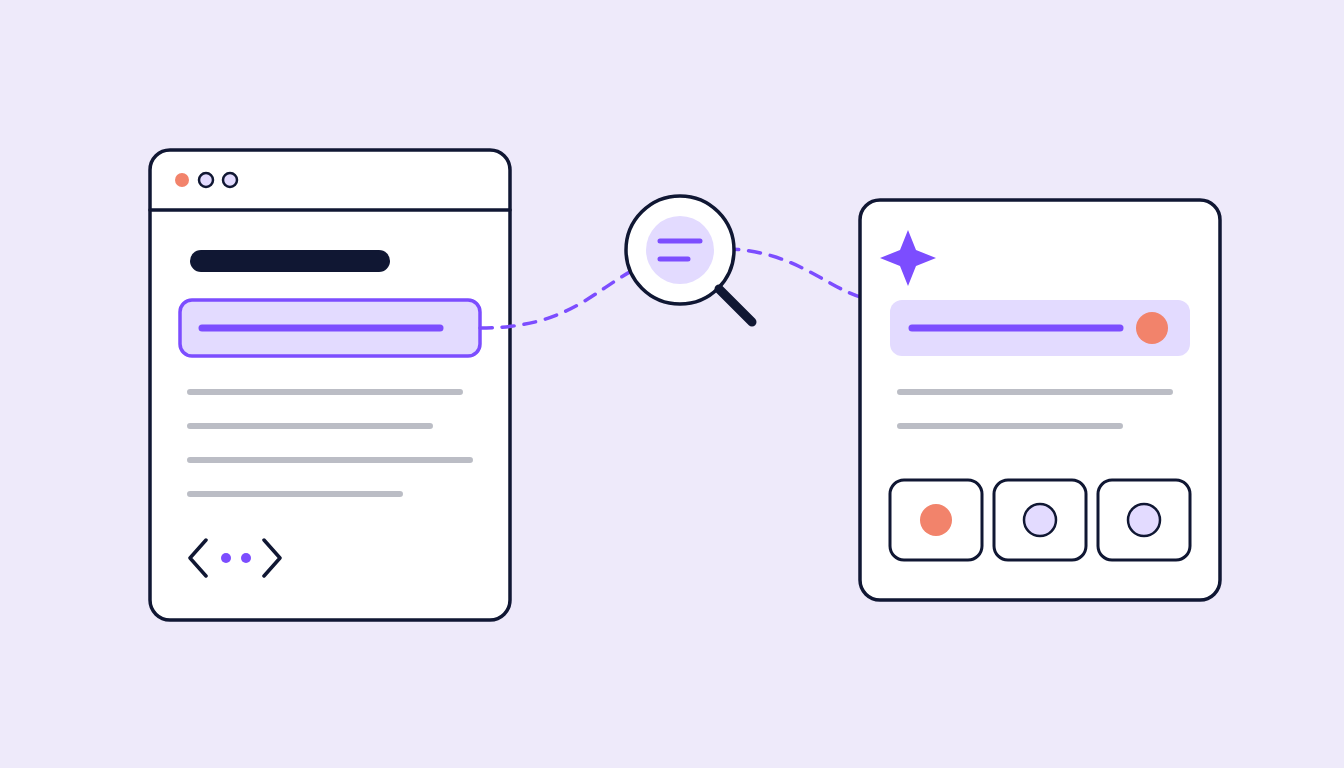
Translation is where many teams stop. A theme is not yet an instruction. An instruction is a concrete line in the brief that creation and production can act on.
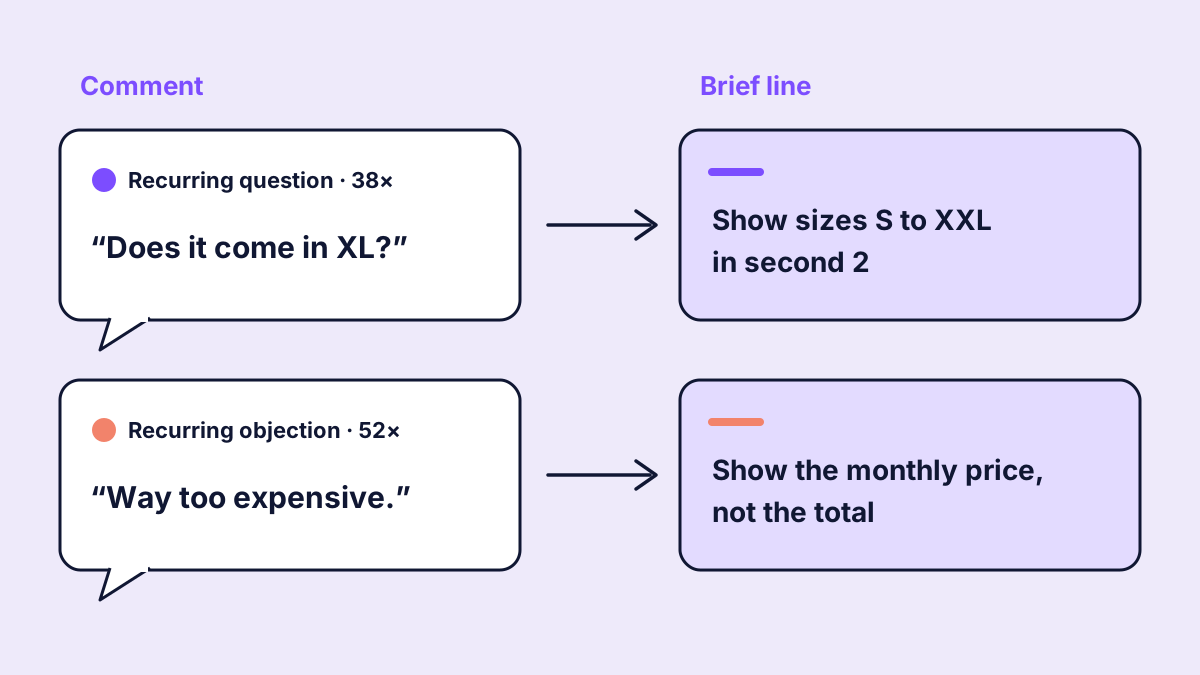
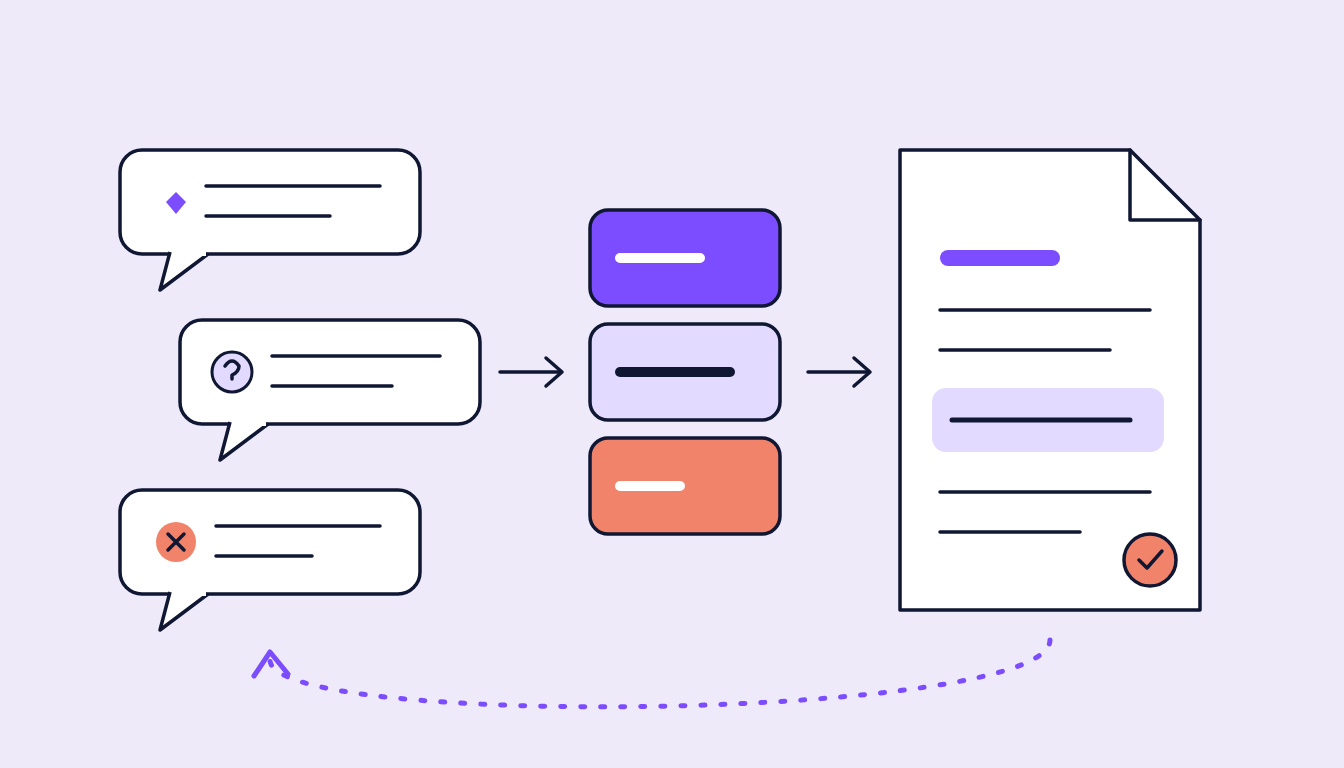
Figure 2: A recurring comment becomes an instruction you can execute and measure.
Patterns that work:
- Recurring question: the answer belongs in the creative, as early as possible. If 38 people ask about sizes, the next video shows the sizes in second 2.
- Recurring objection: don't argue it away, pre-empt it. "Too expensive" becomes "show the monthly price instead of the total" or a comparison that explains the value.
- Strong praise for a detail: more of it. If many people praise the sound or a particular creator, that becomes a requirement for the next variant.
- Misunderstanding: if comments show the message lands wrong, the creative needs a clearer statement, not a longer one.
Every one of these lines is testable. If the new creative answers the size question, size questions in the comments should drop.
The community management loop
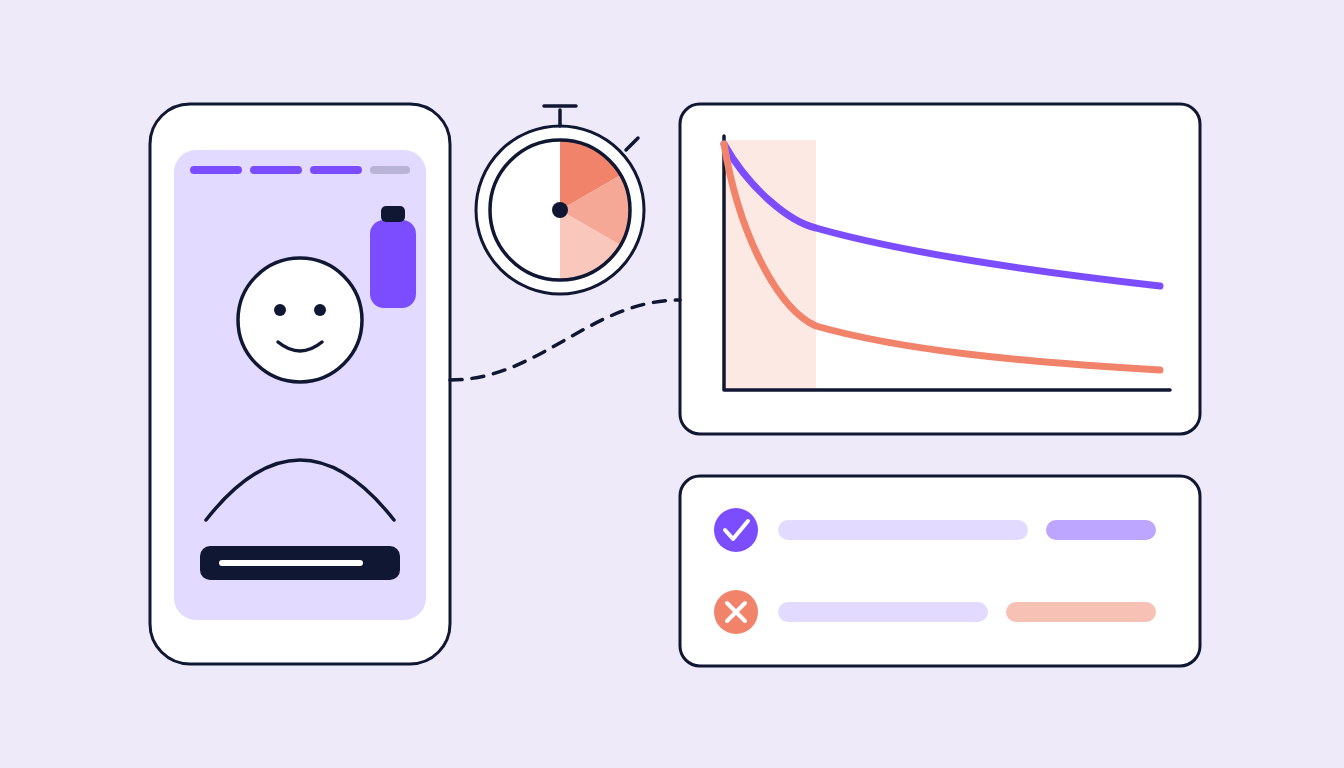
This turns social listening into a cycle instead of a report that appears once a quarter:
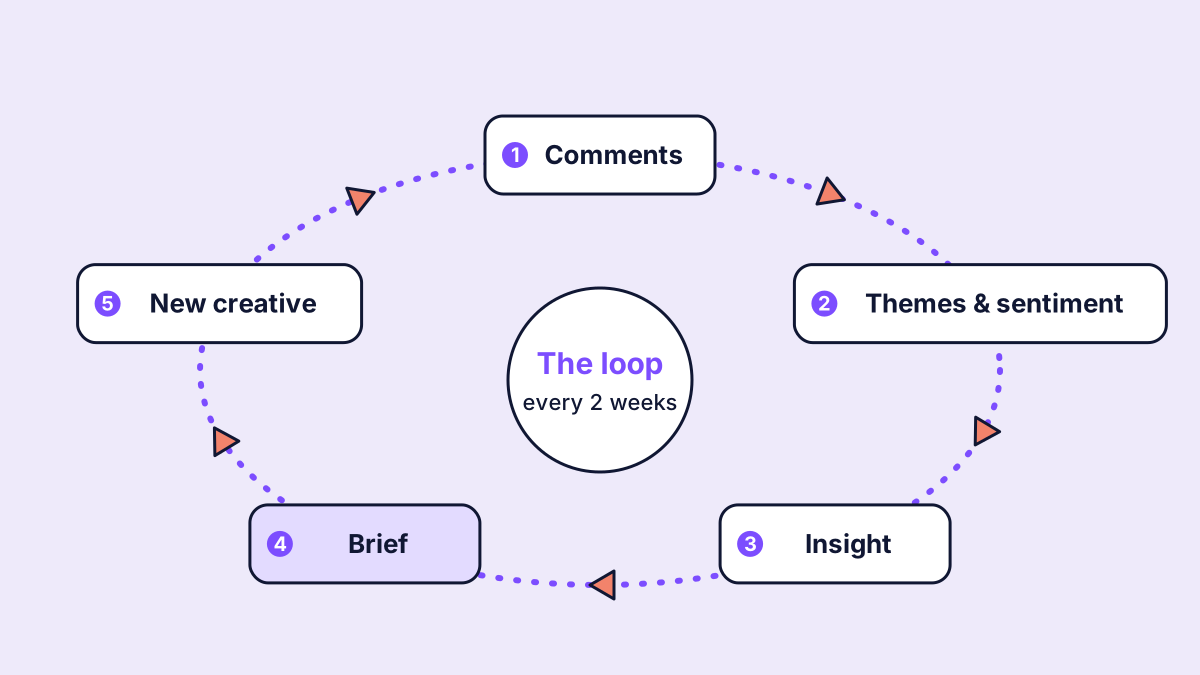
Figure 3: The loop. Every new creative generates new comments and with them the material for the next brief.
For the loop to run, roles need to be clear. Community management sees the comments first and knows what keeps coming up. Strategy condenses the patterns into insights. Creation turns them into brief lines. And media supplies the numbers that show whether the new creative works better.
A fixed rhythm helps: for example a short meeting every two weeks where the three most common questions and objections per campaign go on the table. As a list with example comments and their creative, not a deck.
How sugarLENS handles it
For brands with Social Listening enabled, sugarLENS collects comments on Meta and TikTok ads and organic Facebook and Instagram posts in one section. Each comment gets a sentiment from AI, and the net score follows the formula above, excluding the brand's own replies. Insulting or sensitive comments are detected by AI together with a term list the team maintains. They stay out of the score and go into a review loop, and a human decision is never overwritten by a later run.
For the way back to the creative, sugarLENS shows the most praised and the most criticised ad (from five comments up, so single voices don't pass as a trend) and the keyword that most drives negative comments. Brand names and filler words are excluded. Our community managers work through comments in a shared inbox, and the learnings flow into the next brief.
FAQ
How many comments do you need for reliable conclusions?
There is no fixed threshold. Below five comments per creative there is hardly anything to read. From a few dozen, recurring questions and objections become visible. What matters is whether a theme repeats, not the absolute number.
Can you see who is commenting, such as age or gender?
No. None of the major ad platforms provides demographic data on individual commenters. All that is available is the demographics of the campaign as a whole and the text of the comment itself.
Is automatic sentiment analysis enough?
For an overview, yes. For decisions, no. Irony, slang and emojis mislead any automation. A short sample of the negative comments, read by people, belongs in every analysis.
Should you respond to negative comments with a new creative?
Only if they show a pattern. A single objection is a case for community management. If the same objection repeats under several creatives, it belongs in the next brief.